
Having a tarmac driveway is an attractive feature for any home. Not only does it create a neat, unified look to your outdoor space, but it also provides a safer surface than gravel or grass driveways.
But in order for your tarmac driveway to remain safe and visually appealing, proper drainage is essential. Without good drainage, water can collect on the surface of your driveway and cause damage over time.
In this article we’ll discuss the importance of proper drainage for your tarmac driveway so you can keep your home safe and looking great!
It’s no secret that having effective drainage systems around your property is important; they help protect against flooding and other costly damages caused by water buildup. And when it comes to your tarmac driveway specifically, proper drainage should be at the top of your list if you want to avoid serious issues down the line.
With adequate drainage in place, you won’t have to worry about potential floods damaging not just your driveway but potentially parts of your home as well. So let’s take a closer look into why proper drainage is so critical for maintaining tarmac driveways!
Benefits Of Good Drainage
Having proper drainage for a tarmac driveway is essential to keep it in good condition, and ensures that your property remains safe. Good drainage prevents runoff of water from the surface, which can cause damage and create hazardous conditions around the area.
Assessing the soil beneath your driveway is key too – you’ll want to ensure there’s enough space between the base layer and the ground below to allow for adequate drainage. Regular maintenance will also help make sure any water flows away appropriately.
The types of drainage systems available vary depending on location and type of property. It’s important to consider what works best for you before making any decisions about installation or repair.

Trenches, ditches, swales, dry wells, French drains – these are just some of the options that may be suitable for your needs when it comes to proper tarmac driveway drainage. Taking into account different factors such as terrain, expected rainfall levels and other environmental elements can help determine which system would work most effectively at achieving your goals.
Types Of Drainage Systems
When it comes to the upkeep of your tarmac driveway, proper drainage is a key factor in ensuring that it remains safe and secure. Without effective drainage solutions, water can accumulate on the surface leading to hazardous conditions such as slippery surfaces and structural damage. Moreover, inadequate drainage systems can lead to groundwater infiltration or flooding which can cause further problems with both short-term safety hazards and long-term stability issues.
Fortunately, there are several strategies available for creating an effective drainage system for your driveway. Three common methods include:
1. Installing catch basins
Catch basins help capture debris from runoff before entering underground pipes.
2. Culvert installation
Culvert installation serves as conduits beneath roads or railway embankments so that excess water may safely pass underneath them without affecting the integrity of the structure above ground level.
3. Constructing channel drains
Channel drains redirect incoming stormwater away from vulnerable areas like driveways by collecting rainwater along its edges then transporting it through narrow trenches towards other suitable locations such as nearby streams or rivers.
As you can see, all these techniques provide essential benefits when used together to create a reliable drainage system for your tarmac driveway – allowing you to enjoy not only peace of mind but also a dry and safe environment year round!
Creating A Drainage System For Your Driveway
When choosing a drainage system for your tarmac driveway, it’s important to consider the type of drainage you need, where it will be placed, and its cost.
Installing a drainage system can be a daunting task, but with the right materials and some patience, it’s doable.
Make sure to take the time to research the right materials and tools for the job, to ensure your drainage system works properly.
Lastly, be sure to take all necessary safety precautions while installing the system, to avoid any injury or damage.
Choosing A Drainage System
When it comes to installing drains for your driveway, it’s important to assess the amount of slope you have. This will help determine which drainage system is best for you and what materials are required for proper installation.
You want a drain that will keep water away from your driveway and protect its surface; so selecting the right material is key. Whether you choose concrete or plastic piping, be sure to consider how well each material can withstand moisture and any potential freeze-thaw cycles in your area.
Additionally, don’t forget to factor in cost when making this decision – choosing quality materials now may save you time and money down the road.
With these considerations in mind, you’re ready to install an effective drainage system that keeps your tarmac driveway safe and dry!
Installing A Drainage System
Having the right drainage system in place is essential to keeping your driveway safe and dry.
Without a proper way to prevent surface runoff, water infiltration, and soil erosion, you could be looking at costly repairs down the road.
That’s why it’s important to select materials that can withstand moisture levels as well as freeze-thaw cycles in your area.
Installing drains for your driveway requires an assessment of how much slope you have so that the best possible solution can be implemented.
Whether you choose concrete or plastic piping for your drain, making sure you get quality materials will pay off in the long run.
You don’t want to skimp on cost here – it’ll save you a lot of hassle down the line!
Frequently Asked Questions
How Often Should I Check The Drainage System On My Driveway?
Time is of the essence when it comes to maintaining the drainage system on your tarmac driveway.
As the old adage goes, ‘a stitch in time saves nine’, so regular checks are essential for ensuring that water doesn’t build up and cause damage.
You should check your waterproofing sealants, drainage channels, and surface grading at least once a year – or more if you live in an area with heavy rainfall.
By taking proactive steps now, you can avoid major repairs later down the line, preserving both your driveway’s aesthetic appeal and its structural integrity.
What Kind Of Maintenance Is Required To Keep The Drainage System In Good Condition?
Maintaining flow, water runoff, and drainage depth are key components of keeping your driveway’s drainage system in good condition.
To ensure this is done properly, it’s important to regularly check for clogs or blockages in the system that could affect how well it works.
Additionally, you should inspect the drainage channel itself to make sure there aren’t any cracks or damage that might impede its effectiveness.
Lastly, be sure to monitor the level of rainfall over time as this can impact how quickly water runs off your driveway and potentially create problems with flooding or pooling if not managed correctly.
With a regular maintenance schedule, you’ll ensure proper drainage on your tarmac driveway for years to come!
What Steps Should I Take If The Drainage System Is Blocked?
If your tarmac driveway’s drainage system is blocked, it’s important to take action quickly in order to prevent any further damage.
Firstly, you should identify the problem by inspecting all of the drains and pipes leading away from the drive – checking for signs of blockage such as a build-up of debris or standing water.
If these problems exist, then carefully remove them using a broom or appropriate tool before thoroughly flushing out the drain with a hose pipe.
Finally, be proactive in preventing future blockages; make sure that your driveway doesn’t become clogged with leaves and other organic matter – dispose of them regularly!
What Are The Most Cost-Effective Drainage Systems For Driveways?
When it comes to cost-effective drainage systems for driveways, there are several materials that can be used.
Gravel is the most widely used material and is relatively inexpensive but requires proper installation.
Porous asphalt or concrete pavers offer more efficiency, however they come with a higher price tag than gravel.
Installing tips such as incorporating channels into your driveway design and ensuring the slope of your surface runs away from your home are essential for optimal performance.
With careful planning and some help from experts, you can create an effective drainage system without breaking the bank!

How Long Does It Usually Take To Install A Drainage System For A Driveway?
Installing a drainage system for driveways can be surprisingly time-consuming, depending on factors like soil types, drainage designs, and installation costs.
On average, it takes about one to two days to complete the installation process. But if you’re working with heavier clay soils or more intricate drainage designs, then you may need to plan for extra time — up to three days in some cases!
With proper planning and preparation, however, your driveway will look great and provide years of safe use.
Conclusion
Overall, proper drainage for your tarmac driveway is essential to prevent long-term damage. Regular maintenance of the system can help ensure it stays in good condition and works correctly when needed. If you ever notice a blockage, taking action quickly can save costly repairs down the line.
When choosing a drainage system for your driveway, consider both cost and effectiveness – do some research to find what’s best suited for you. How much longer will your driveway last with the right drainage system installed?
Call us to get a price quote on a tarmac. Contact us today on 07595 510190 to receive a free quote or visit our website.

{Four Simple Ways Tarmac Driveways Can Make Your Life Easier in Retford.|These are 4 Easy Ways Tarmac Driveways can Make Read more

{5 Best Tarmac Driveway Designs in Retford|5 Best Tarmac Driveway Design Ideas in Retford|5 Best Tarmac Driveway Options in Retford|5 Read more
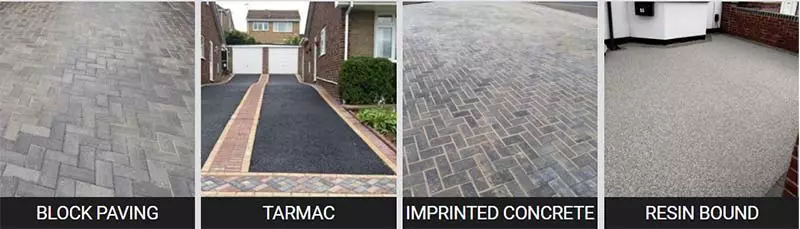
{Tarmac, Block Paving or Concrete, or Resin Bound.|Tarmac, block Paving, Concrete, Resin Bound.|Tarmac or Block Paving? Concrete or Resin Bound?|Tarmac Read more