

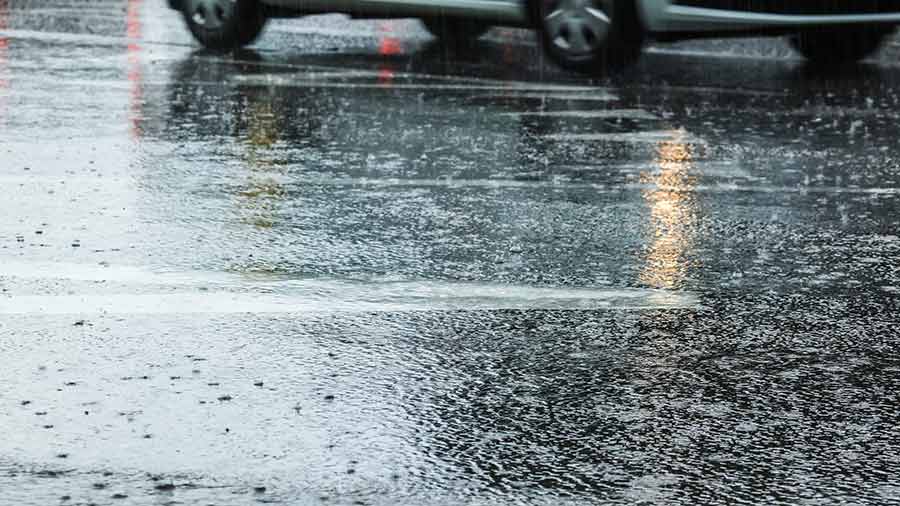
Freshly-laid asphalt driveways need time to properly dry and cure before they can be exposed to rain. The drying process can take anywhere from a few days to a few weeks, depending on temperature and humidity levels. During this time, it is important to protect the driveway from heavy rain or snow by keeping vehicles off of it for at least 48 hours after a storm has passed. Rain can damage the newly laid surface and can lead to issues such as alligatoring, uneven surfaces, and accelerated deterioration. It’s crucial to follow all curing instructions provided by the contractor to ensure the longevity of the driveway.
Several factors can affect the drying time of asphalt driveways. Temperature and humidity levels play a significant role, with higher temperatures and lower humidity resulting in faster drying times. The thickness of the asphalt layer can also impact drying time, as thicker layers take longer to dry. Additionally, the type and quality of the asphalt mixture used can influence drying time. It’s important to consult with your contractor to determine the specific factors that might affect the drying time of your asphalt driveway.
To ensure the durability and longevity of your newly laid tarmac driveway, proper maintenance is essential. Here are some effective maintenance tips:
Taking the necessary precautions and following proper maintenance techniques can greatly contribute to the longevity and durability of your tarmac driveway.
By allowing the asphalt to properly dry and cure, regularly cleaning the surface, addressing cracks and holes, and adding sealcoats, you can ensure that your driveway remains in excellent condition for years to come.
Consulting with a professional contractor and adhering to their instructions will further enhance the quality and lifespan of your driveway.
Factors Affecting Drying Time of Asphalt Driveways
When it comes to the drying time of asphalt driveways, several factors come into play. Understanding these factors can help you better plan and manage the installation process. Here are the key elements that can affect the drying time:
- Temperature and Humidity: Higher temperatures and lower humidity levels generally result in faster drying times. The heat helps to evaporate the moisture, allowing the asphalt to cure more quickly.
- Thickness of the Asphalt Layer: Thicker layers take longer to dry compared to thinner ones. The thickness of the asphalt layer depends on the specific requirements and conditions of your driveway, which should be discussed with your contractor.
- Type and Quality of Asphalt Mixture: The type and quality of the asphalt mixture used can also influence the drying time. Contractors typically use different mixtures based on the specific needs of the project, so it’s important to consult with your contractor to determine the specific factors that might affect the drying time of your asphalt driveway.
By considering these factors, you can have a better understanding of the expected drying time for your asphalt driveway. Consulting with a professional contractor will provide you with the necessary guidance and expertise to ensure a successful installation.
Factors Affecting Drying Time of Asphalt Driveways
| Factors | Impact on Drying Time |
|---|---|
| Temperature and Humidity | Higher temperatures and lower humidity levels result in faster drying times. |
| Thickness of the Asphalt Layer | Thicker layers take longer to dry compared to thinner ones. |
| Type and Quality of Asphalt Mixture | The type and quality of the asphalt mixture used can influence the drying time. |
Effective Maintenance Tips for Newly Laid Tarmac Driveways
Once you have a newly laid tarmac driveway, it’s important to implement effective maintenance practices to ensure its longevity and durability. By following these tips, you can keep your driveway in excellent condition for years to come.
Regular Cleaning
Regularly cleaning your tarmac driveway is crucial to prevent the build-up of dirt, debris, and stains. Use a broom or leaf blower to remove loose dirt and leaves. For more stubborn stains, such as oil or grease, use a mild detergent or specially formulated driveway cleaner. Avoid using harsh chemicals or abrasive materials that can damage the surface.
Addressing Cracks and Holes
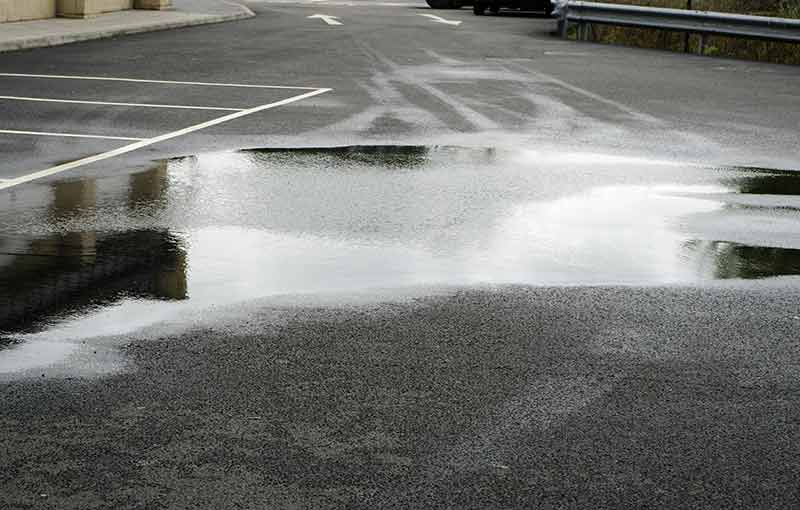
Over time, cracks and holes may develop in your tarmac driveway due to natural wear and tear or harsh weather conditions.
It’s important to address these issues promptly to prevent further damage.
Fill small cracks and holes with a suitable asphalt patching compound, following the manufacturer’s instructions.
For larger cracks or extensive damage, consult a professional contractor for the best repair solution.
Applying Sealcoats
Applying sealcoats to your tarmac driveway can help protect it from UV rays, moisture, and general wear and tear. A sealcoat acts as a protective barrier, prolonging the lifespan of the asphalt surface. It’s recommended to apply a sealcoat every few years or as advised by your contractor. Before applying a sealcoat, ensure the surface is clean and free of any debris or stains for optimal adhesion.
| Maintenance Tip | Benefits |
|---|---|
| Regular Cleaning | Prevents dirt and stain build-up |
| Addressing Cracks and Holes | Prevents further damage and deterioration |
| Applying Sealcoats | Protects against UV rays and moisture |
By following these effective maintenance tips, you can ensure the longevity and durability of your newly laid tarmac driveway. Regular cleaning, addressing cracks and holes, and applying sealcoats will help keep your driveway in excellent condition, enhancing its curb appeal and overall value.
Effective Maintenance Tips for Newly Laid Tarmac Driveways
To ensure the durability and longevity of your newly laid tarmac driveway, it is crucial to follow proper maintenance techniques. By taking the necessary precautions and regularly caring for your driveway, you can keep it in excellent condition for years to come. Here are some effective maintenance tips:
- Allow Proper Drying and Curing: After installation, give your tarmac driveway sufficient time to dry and cure. This process can take a few days to a few weeks, depending on temperature and humidity levels. Be patient and avoid heavy rain or snow for at least 48 hours after a storm has passed to protect the surface from damage.
- Regularly Clean the Surface: Keep your driveway clean by regularly sweeping away debris, leaves, and dirt. Use a gentle detergent and water to remove stubborn stains. Avoid harsh chemicals that can deteriorate the asphalt surface.
- Address Cracks and Holes: Inspect your driveway regularly for any cracks or potholes. Promptly repair them to prevent further damage. Fill smaller cracks with a suitable filler, and for larger repairs, consult a professional contractor for expert assistance.
- Apply Sealcoats: Consider applying a sealcoat every few years to protect your tarmac driveway from UV rays, moisture, and general wear and tear. Sealcoating helps extend its lifespan and maintains its appearance.
By following these maintenance tips, you can ensure the durability and prolonged lifespan of your tarmac driveway. Remember to consult with a professional contractor, such as Tarmac Driveway Retford, for specific guidance tailored to your driveway’s needs. With proper care, your driveway will continue to provide a smooth and functional surface for years to come.
Call us to get a price quote on a tarmac. Contact us today on 07595 510190 to receive a free quote or visit our website.
Source Links
- https://www.wikihow.com/How-Long-Does-Asphalt-Take-to-Dry
- https://accesscompared.com/does-rain-affect-new-asphalt-driveways/
- https://jrpavingandconstruction.com/how-soon-can-new-asphalt-get-wet/

As I stood outside my house, watching the rain pour down, I couldn't help but notice the water pooling on Read more

Did you know that jet washing can be a safe and effective method for cleaning new tarmac? In fact, it Read more

Can You Tarmac Over Concrete? Are you tired of the cracked and worn-out concrete in your driveway? Well, guess what Read more